




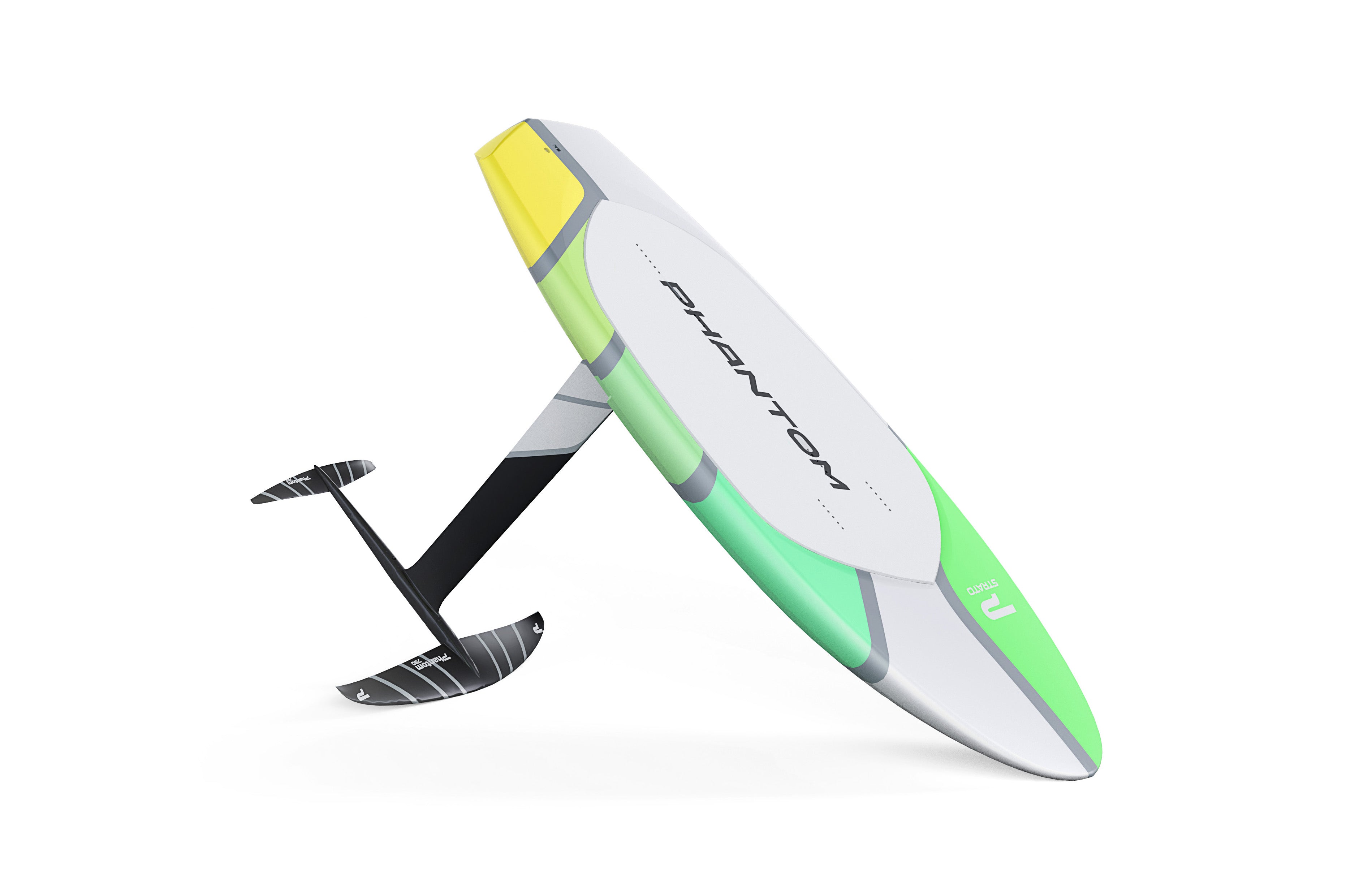
Choosing between a carbon and an aluminum foil is one of the key decisions when building a wing foil setup. Each material influences stiffness, weight, responsiveness and long-term performance on the water.
Understanding how these differences affect riding behaviour helps riders select equipment adapted to their level, conditions and progression goals.
If you are building a complete configuration, you can also read our wing foil setup guide.
Why foil material matters in wing foiling
Foil construction directly affects how efficiently lift is generated and transmitted through the setup.
Material choice influences:
- rigidity
- weight
- glide efficiency
- control at speed
- responsiveness during turns
- durability over time
These parameters become increasingly important as riders progress beyond their first sessions.
What are aluminum foils designed for?
Aluminum foils are often used in entry-level or progression setups because they are robust and accessible.
They typically provide:
- high impact resistance
- modular component compatibility
- lower purchase cost
- predictable behaviour during early learning stages
For riders discovering wing foiling, aluminum setups can provide a stable introduction before transitioning toward higher-performance configurations.
However, their structural behaviour differs significantly from carbon systems once riding speeds increase.
What makes carbon foils different?
Carbon foils are designed for higher efficiency and precision across a wider range of conditions.
Compared with aluminum structures, carbon foils typically offer:
- increased stiffness
- reduced weight
- improved glide efficiency
- more direct control transmission
- better pumping response
- higher speed stability
This translates into smoother acceleration and more consistent flight behaviour once riders begin refining their technique.
Carbon construction also allows engineers to optimise fibre orientation and structural load paths more precisely.
How stiffness improves stability and control
One of the main advantages of carbon foils is structural stiffness.
A stiffer mast reduces flex under load, which improves:
- flight stability
- carving precision
- pumping efficiency
- control in strong wind
- energy transfer during acceleration
This becomes particularly noticeable at intermediate and advanced riding levels.
You can explore this further in our guide to foil mast stiffness and performance.
Weight differences between carbon and aluminum foils
Carbon foils are typically lighter than aluminum setups.
Reduced weight improves:
- take-off responsiveness
- manoeuvrability
- pumping efficiency
- glide continuity
- transport comfort
Lower swing weight also makes handling easier during transitions and directional changes.
Glide efficiency and performance at speed
As riding speed increases, structural precision becomes more important.
Carbon foils maintain profile stability under load, which improves:
- hydrodynamic efficiency
- speed control
- sustained glide
- flight consistency over distance
These advantages are especially noticeable in freeride and downwind conditions.
You can explore this further in our high aspect foil guide.
Durability and long-term performance considerations
Both aluminum and carbon foils are durable when used correctly, but they behave differently over time.
Aluminum structures tolerate impacts well but may transmit more vibration at speed.
Carbon structures provide higher stiffness-to-weight efficiency and maintain profile stability under repeated load cycles, especially in performance-oriented riding conditions.
For riders planning long-term progression, this difference becomes increasingly relevant.
Which riders benefit most from carbon foils?
Carbon foils become particularly valuable for riders who:
- ride regularly
- explore longer distances
- practice pumping techniques
- transition into downwind riding
- seek higher glide efficiency
- ride in variable wind strength
- They provide a performance margin that supports progression beyond the beginner stage.
You can explore this further in our downwind foil setup guide.
Recommended next steps when choosing your foil setup
To refine your configuration further, you may also want to read:
How to choose your wing foil setup
Beginner wing foil setup guide
What size front wing should I choose
Foil mast length guide
Together, these guides explain how material choice interacts with wing surface, mast length and board volume.
Experience the precision of carbon foil design
Carbon foils improve glide efficiency, control transmission and flight stability across all riding conditions.
Share:
What size front wing should I choose for wing foiling?
Beginner wing foil setup guide: choosing the right equipment to start wing foiling